Featured
Table of Contents
That maximizes money in the short-term, and you might have 3 to 4 years to conserve toward the negotiation quantity. Extremely unsafe to credit rating, mainly due to missed repayments and an adverse "settled" mark that can remain on your credit scores record for as much as seven yearsMay be only option if various other options (financial obligation combination, balance transfer charge card, financial obligation forgiveness) aren't possibleTypically requires a charge to the 3rd party, which could offset some or every one of the financial savings from financial obligation settlementMay help you stay clear of personal bankruptcy if you've missed out on several paymentsNot all creditors deal with debt negotiation business Financial debt forgiveness may be best for you if you are experiencing an economic difficulty that makes it almost impossible to pay down your financial obligation balances.

With a DMP, you make one monthly payment to the credit history therapy agency. Those funds are then distributed to financial institutions of your unsafe financial debts, such as bank card and installment loans. The company deals with your creditors to minimize rates of interest or waive charges, but some financial institutions might refuse such giving ins.
A financial obligation combination finance combines your qualified debts right into one new funding. It can aid you pay down financial obligation if you have the ability to safeguard a car loan rate that's lower than the average price of the accounts you're settling. You should abstain from racking up debt on those recently cleared accounts or your financial debt could grow even higher.
These cards usually use a 0% passion introductory duration of as much as 21 months. That provides you lots of time to get rid of or substantially reduce your equilibrium while making interest-free payments. For some people facing overwhelming financial debt, personal bankruptcy may be the only method to quit collection procedures and legally solve their financial obligations.
An Unbiased View of Staying Away From New Debt Problems After Preparing for Life One Year After Bankruptcy: A Counselor-Approved Checklist
You might require it if your creditor or a collection agency ever tries to accumulate on the financial debt in the future. When a lender forgives $600 or even more, they are called for to send you Kind 1099-C.
Financial obligation forgiveness or negotiation practically always hurts your credit history. Anytime you settle a financial obligation for much less than you owe, it might show up as "cleared up" on your credit report and influence your credit rating for 7 years from the day of settlement. Your credit rating can likewise go down considerably in the months leading to the mercy if you fall back on payments.
Indicators on Widespread Misunderstandings Regarding Bankruptcy You Need To Know
This circumstance frequently results from underreporting income, not submitting returns on time, or discrepancies located during an Internal revenue service audit. The repercussions of building up tax debt are significant and can consist of tax obligation liens, which offer the Internal revenue service a legal claim to your home as safety for the debt.
Incomes and Financial institution Accounts IRS can levy (seize) earnings and financial institution accounts to please the debt. Residential or commercial property Seizure In severe cases, the IRS can take and market residential property to cover the financial obligation.
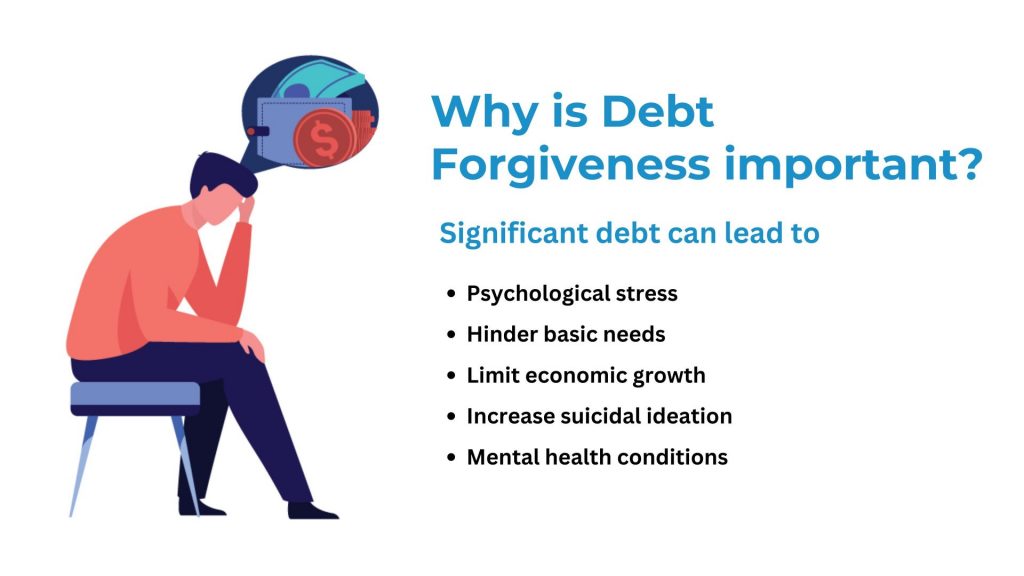
Depression, anxiety, and other psychological wellness problems. Social Preconception Dealing with legal activity from the IRS can bring social preconception. Damage to credibility and partnerships. Work Opportunities A poor credit report because of exhaust financial obligation can restrict employment possibilities. Difficulty searching for or keeping a work. Federal government Advantages Tax obligation financial debt may affect qualification for government advantages, such as Social Security and Medicaid.
The Ultimate Guide To Everything to Expect In the Debt Forgiveness Process
The OIC considers numerous factors, including the taxpayer's earnings, expenditures, possession equity, and ability to pay. Successfully negotiating an OIC can be complicated, needing a comprehensive understanding of the IRS's standards and a strong argument for why your offer straightens with your capability to pay. It is necessary to keep in mind that not all applications are accepted, and the procedure needs in-depth monetary disclosure.
The IRS evaluates your total monetary circumstance, including your revenue, expenditures, property equity, and capability to pay. You need to additionally be current with all filing and payment needs and not remain in an open bankruptcy case. The IRS likewise considers your conformity history, examining whether you have a record of prompt filing and paying tax obligations in previous years.
Excitement About What Sets Quality Counselors Apart in the Industry
The application procedure for an Offer in Compromise entails numerous detailed steps. Initially, you have to finish and send IRS Kind 656, the Deal in Concession application, and Type 433-A (OIC), a collection info declaration for individuals. These forms call for comprehensive financial info, including details about your earnings, financial debts, expenditures, and properties.
Back taxes, which are unpaid tax obligations from previous years, can considerably increase your complete IRS financial obligation if not dealt with without delay. This financial debt can accrue rate of interest and late repayment charges, making the initial amount owed a lot larger with time. Failing to repay taxes can lead to the IRS taking enforcement activities, such as issuing a tax lien or levy against your building.
It is necessary to attend to back taxes asap, either by paying the sum total owed or by preparing a payment plan with the IRS. By taking proactive steps, you can prevent the accumulation of additional interest and charges, and prevent extra aggressive collection activities by the internal revenue service.
One common factor is the idea that the taxpayer can pay the total either as a lump sum or through a settlement strategy. The IRS additionally takes into consideration the taxpayer's revenue, expenditures, possession equity, and future earning potential. If these factors show that the taxpayer can pay for to pay greater than the offered amount, the internal revenue service is likely to turn down the offer.
Some Of Prevalent Myths Regarding Debt Forgiveness
Dealing with Internal revenue service debt can be intricate and daunting. Tax specialists, such as Certified public accountants, tax obligation attorneys, or registered agents, can supply very useful assistance.

Table of Contents
Latest Posts
Top Guidelines Of Local Programs That Offer Debt Relief
An Unbiased View of Rebuilding Personal Financial Standing the Strategic Way
The Definitive Guide to What Legislation Says Under Federal Law
More
Latest Posts
Top Guidelines Of Local Programs That Offer Debt Relief
An Unbiased View of Rebuilding Personal Financial Standing the Strategic Way
The Definitive Guide to What Legislation Says Under Federal Law